Franz Engelhardt: The Fourth Seer of Fatima and Future Pope Peter II

Franz Engelhardt: The Fourth Seer of Fatima and Future Pope Peter II

Some compilations of twentieth-century alternative popes include a Julius Tischler, who asserted that he was Pope Peter II. Joachim Bouflet,who briefly described the case in his Faussaires de Dieu, is the only
researcher who offers some details. Bouflet stated that the claim was made in 1972, that Julius Tischler was a pseudonym, and that he was not a papal claimant in the strict sense but a claimant to a future papacy; he would be the last pope in history.

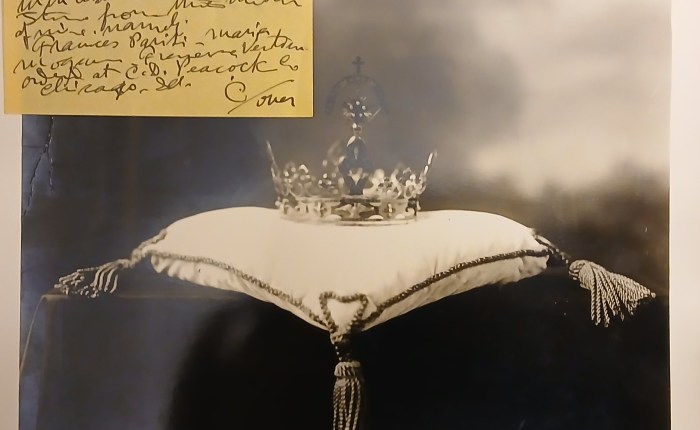
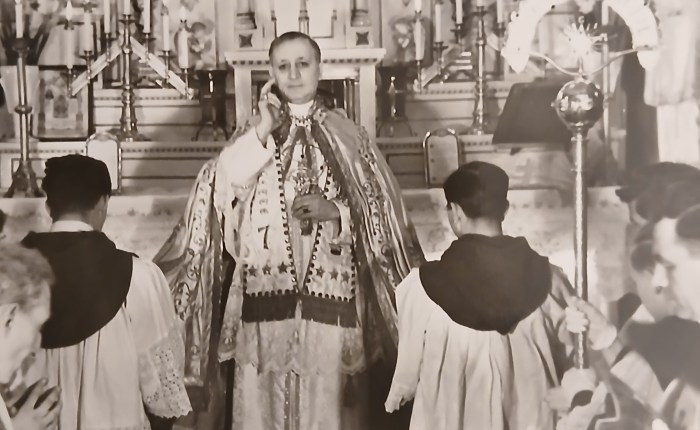
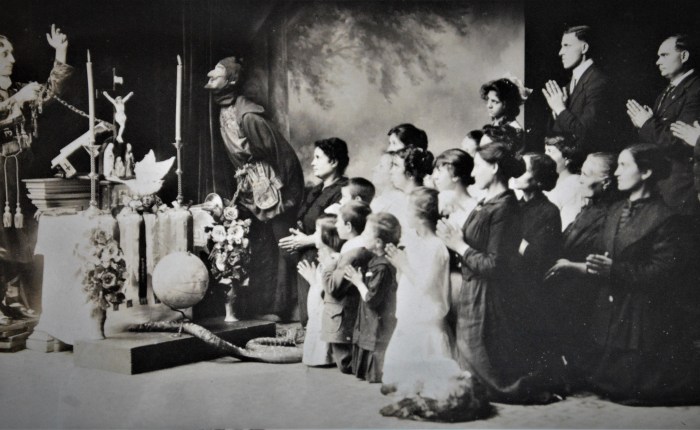
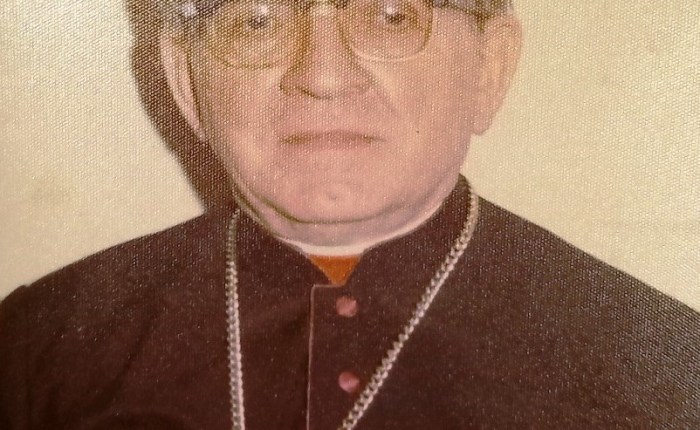
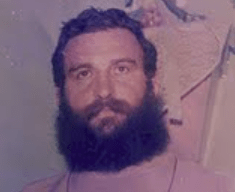
The person behind the pseudonym was Ferenc Egerszégi (1908–1982), a Hungarian Catholic priest who had lived in West Germany since the early 1960s. There, he officially changed his name to Franz Engelhardt. Apart from stating that he would be the pope of the End time, he made other far-reaching spiritual claims. He had been mystically present at Fatima in 1917, thus directly receiving the most known Marian apparitions of the twentieth century. Apart from the three Portuguese children, known to many Catholics, there was a “fourth seer”–himself. Unlike the other seers, Engelhardt received another, more important message from the Virgin in 1923. It was a continuation of the Fatima message and the starting point of his End time mission.

These claims are almost unknown today, even in apparitionist circles. If Franz Engelhardt is known at all today, it is probably as a sexual predator who was sentenced to prison for the abuse of minors. This
report will address Engelhardt’s background and apocalyptic teachings, as well as his life after the mystical claims in 1972.

New Book on Polish-American Pope Adam II

New Book on Polish-American Pope Adam II

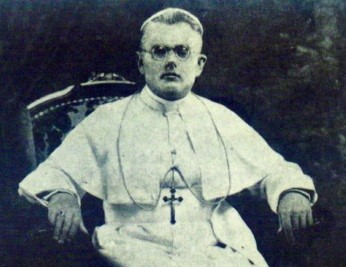
In 1927, a suspended Roman Catholic priest, Adam Anthony Oraczewski (1883‒1973), published a 60-page booklet in Kansas City, Missouri. It had a bold title: All in One True Faith. The front page features a photo of the author dressed in the papal white, declaring that as of August 7, he was Adam II, Pope of the Holy Catholic Church.

Oraczewski’s pamphlet scathingly criticized the Roman Catholic Church and proposed a drastic ecclesiastical reform that, according to the author, would lead to greater piety and human unity. The publication was the climax of fifteen years of conflicts between Oraczewski and Catholic church representatives in a long series of U.S. dioceses, parishes, and seminaries.

Among the twentieth-century alternative pontiffs we know of, Polish-American Adam II is one of the earliest and least known. In the book A Polish-American Pope:  Adam Oraczewski ‒ Adam II, I reconstruct Oraczewski’s biography by studying his own writings, newspaper articles, public records, and, not least, abundant files from ecclesiastical archives.

Oraczewski’s life story is very unusual and undoubtedly a part of the eccentric part of church history: an account of a pontiff in the periphery. It is a bewildering and tragic story, and it is worth telling.

A Polish-American Pope:  Adam Oraczewski ‒ Adam II is published as volume 19 in the ebook series Uppsala Studies in Church History and freely available here:

Pennaspergilens historia

Pennaspergilens historia

I Kyrkohistorisk årsskrift 2024 har jag publicerat en artikel med titeln “Pennaspergilens historia” (se nedan för fulltext). Där jag kombinerar mina intressen för kyrkohistoria och äldre reservoarpennor

Kyrkohistorisk årsskrift ges sedan år 1900 ut av Svenska kyrkohistoriska föreningen och inkluderar såväl vetenskapliga artiklar som recensioner. För information om föreningens verksamhet och om hur man blir medlem, se föreningens hemsida.

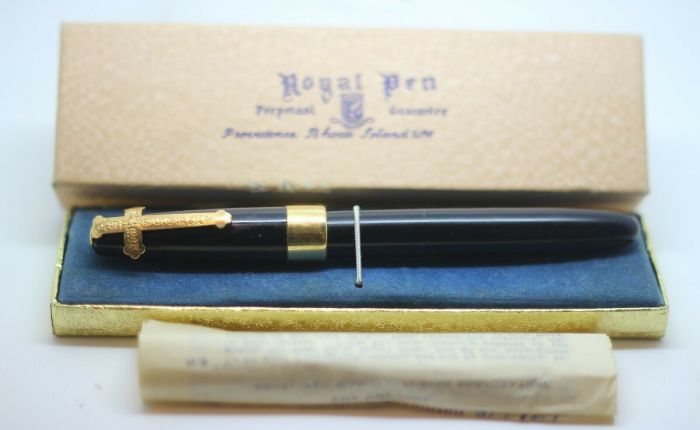
I synnerhet under 1920- och 1930-talet, men i viss mån fram till början av 1960-talet tillverkade flera pennbolag i Förenta staterna lätt omformade reservoarpennor som salufördes som aspergiler: Holy Water Sprinklers. Tanken var att präster enkelt skulle kunna ha med sig dem i fickan när de gjorde hem- eller sjukhusbesök. Jag kallar dessa föremål pennaspergiler.

Till det yttre såg pennaspergilerna ut som ordinära pennor, om än försedda med kors på kolv eller huv. Den stora skillnaden fanns under huven. Aspergilen hade inget stift. På kolvens topp satt istället ett skruvbart perforerat lock och genom hålen kunde vigvattnet spridas vid behov.

Det är inte enkelt att ens inventera pennaspergiltillverkare och -modeller, vilket är målet med min artikel. Aspergilerna inkluderades sällan i pennbolagens kataloger och annonserades knappt, men det finns enstaka separata broschyrer och manualer. Den viktigaste källan är föremålen i sig själva. Som underlag har jag använt aspergiler från min egen samling, men också tagit hjälp av andra samlare. Dessutom har jag gått igenom försäljnings- och auktionskataloger.

Studien är kronologiskt disponerad. Den inleds på 1920-talet då de första modellerna kom ut på marknaden. 1930-talet var något av en guldålder, medan enstaka modeller tillverkades efter kriget. Minst åtta företag, samtliga i Förenta staterna, producerade pennaspergiler. De inkluderade såväl mindre bolag som några av de riktigt stora aktörerna: Parker och Waterman.

Artikeln är tillgänglig i fulltext här:

För min omfattande allmänna översikt av reservoarpennans historia, se denna avdelning.

För fler bilder av pennaspergiler, se denna sida.

New Research Report on Valdir Ros – Pedro II: The Pope of Nova Iguaçu, Brazil

New Research Report on Valdir Ros – Pedro II: The Pope of Nova Iguaçu, Brazil

In 1968, Brazilian priest Valdir Ros (1942–1994) founded the Instituto Estrela Missionária (IEM; the Institute of the Missionary Star) in Urubici in his home diocese of Lages in the southern part of the country. It was an organization devoted to promoting mission among non-Christians and providing education for future missionaries. The same year, he moved to the diocese of Nova Iguaçu in the Baixada Fluminense, part of the Rio de Janeiro metropolitan era, where he also became a pastor of the impoverished parish of Riachão. The seminar was founded with the support of the diocesan bishop. Still, the IEM had an unclear canonical status for a long time, but in 1977, it received the status of a diocesan pious association (pia unio). However, that was nothing compared to Ros’ vision: to form a Latin American congregation that would contribute to world mission, not a group devoted to local parish work.

Though the relation had not been unproblematic before, in late 1979, an irreconcilable conflict grew between Valdir Ros and the bishop of Nova Iguaçu Adriano Hypólito OFM (1918–1996). There were several reasons: political,  religious, personal–and medical. In conversations, private letters, printed books, and pamphlets, Ros fiercely attacked the bishop, accusing him of being a Jew, a Communist, a Freemason–and a demon. When the conflict reached one of its many peaks in 1981, members of the IEM, too, regarded Ros as severely ill, and he was confined to a psychiatric clinic against his will. By this time, he was replaced as the parish priest in Riachão, and IEM soon left the diocese to move to another part of the country.

Continue reading “New Research Report on Valdir Ros – Pedro II: The Pope of Nova Iguaçu, Brazil”

New Research Report: Francis Schuckardt, the Papacy, and the Apocalypse

New Research Report: Francis Schuckardt, the Papacy, and the Apocalypse

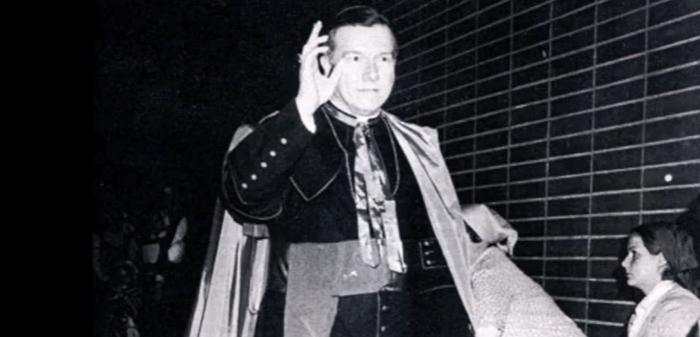
Bishop Francis K. Schuckardt (1937–2006), founder and leader of the Fatima Crusaders, the Tridentine Latin Rite Catholic Church, also known as Tridentine Latin Rite Church (TLRC), and the Congregation of Mary Immaculate Queen of the Universe (CMRI), was an important figure in early U.S. Catholic traditionalism. Without a doubt, he was also one of the most controversial.

Schuckardt condemned the Second Vatican Council (1962–1965) and the post-conciliar developments in non-uncertain terms. Towards the end of the 1960s, he publicly declared Paul VI (sed. 1963–1978) an antipope and that the Holy See was vacant, the position that was later referred to as sedevacantism. Schuckardt founded a small religious community in Coeur d’Alene, Idaho, in 1967, which soon attracted larger groups of followers. In 1971, he was ordained a priest and consecrated a bishop by an independent Catholic prelate.

The group expanded from Idaho and moved its headquarters to Mount Saint Michael in Spokane, Washington state 1978. TLRC was the organization’s official name incorporated in Washington state, as they could not register as either the Catholic Church or the Roman Catholic Church, even if they asserted they were nothing less. Thus, they rarely used the name TLRC, and the adherents usually called their group the Mary Immaculate Queen of the Universe Community, of which the Fatima Crusade was the apostolate. In contrast, outsiders, especially after moving to Spokane, often called them the Tridentines.

Continue reading “New Research Report: Francis Schuckardt, the Papacy, and the Apocalypse”

Recensioner i Kyrkohistorisk årsskrift 2007-2023

Recensioner i Kyrkohistorisk årsskrift 2007-2023

Under de senaste två decennierna har jag recenserat ett sjuttiotal böcker i facktidskrifter och kanske ytterligare ett dussin i dagspress. Recensioner är en genre som inte väger tungt i den akademiska världen. Oftast tillerkänns de inget värde överhuvudtaget. Det är inte karriärmässigt smart för en oetablerad akademiker att lägga mycket tid på att recensera böcker.

Det är synd. Jag menar att recensioner är en väsentlig del av vetenskapandet. De innebär, i den bästa av världar, ett en läsare på ett seriöst och rättvisande sätt introduceras för en annan forskares vedermödor. Ingen, ens specialisten, har möjlighet att ha överblick över allt som publiceras inom ett fält, om det inte är extremt smalt. Läsaren kan alltså uppmärksammas på böcker som hon inte kände till tidigare, men hon kan också få kunskaper om ämnen som ligger långt ifrån hennes vanliga intresseområden utan att ha möjlighet, tid eller lust att ta sig an boken i sig.

Att på ett noggrant och eftertänksamt sätt referera andras tankemödor är inte det enklaste. Det är en mer kvalificerad verksamhet än vad som ofta påstås. Att skickligt och ärligt, och med egna ord och infallsvinklar, redogöra för vad någon annan skrivit är en svår konst som kräver träning.

Visst kan, och bör, recensioner innehålla kritiska anmärkningar, men det är min erfarenhet att recensioner i specialtidskrifter ofta tenderar att bli för gnälliga. Ibland kan recensentens käpphästar bli så många att de helt döljer vad boken överhuvudtaget handlar om och mängden detaljanmärkningar kan få närmast komiska proportioner.

Continue reading “Recensioner i Kyrkohistorisk årsskrift 2007-2023”

Hovmålaren och bruksarrendatorn Laurens van der Plas (1579-1629)

Hovmålaren och bruksarrendatorn Laurens van der Plas (1579-1629)

I Personhistorisk tidskrift 2024:1 har jag publicerat en artikel med titeln “Från Antwerpen till Axbergshammar: Hovmålaren och bruksarrendatorn Laurens van der Plas”.

Gustav II Adolfs regeringstid (1611–1632) innebar en snabb ökning av invandringen i Sverige, inte minst från Nederländerna. En del av dessa invandrare inriktade sig på järnframställning eller exporthandel. Andra rekryterades som till exempel skeppsbyggare eller fick betydande positioner inom den statliga förvaltningen. Mindre yrkesgrupper – vetenskapsmän, arkitekter, musiker och konstnärer – rekryterades också från utlandet för att stärka, eller etablera, det svenska kulturlivet.

Studien behandlar en nederländare som var verksam inom båda områdena. Han var såväl konstnär som bruksarrendator. Laurens van der Plas (1579–1629) föddes i Antwerpen och verkade i Rotterdam, Breda och Dordrecht innan han blev hovmålare i Stockholm. Under sina sista år i livet drev han en hammarsmedja i Närke. Även om detta är en detaljerad källkritisk studie av en individ är det viktigt att inte frånse från ”det unikas generalitet.” Jag placerar alltså genomgående Laurens van der Plas i bredare historiska sammanhang och betraktar hans roll i professionella och sociala nätverk.

För att läsa texten i sin helhet, se Personhistoriska Samfundets hemsida https://personhistoriskasamfundet.org/1999-2/

Bildkälla: Östergötlands Museum

Yet another volume in the Uppsala Studies in Church History series

Yet another volume in the Uppsala Studies in Church History series

We have recently published volume 18 in the e-book series Uppsala Studies in Church History: Andreas Mazetti Petersson (ed.), Antonio Possevino’s Writings, Vol. II: Interdict Texts (1606-1607). The book consists of five texts in Italian written by or addressed to Jesuit Antonio Possevino (1533–1611) regarding the so-called Interdict Controversy of 1606 and 1607, which followed Pope Paul V placing an interdict on the Republic of Venice. The consequences were immediately felt since no sacraments could be administered within the confines of Venice’s vast territory. In response to the Interdict, the Venetian authorities expelled the members of the Society of Jesus, along with Theatines and Capuchins.

One aspect of the Controversy was the Guerra delle scritture (the War of Writings), in which several authors defended either the Holy See’s position or that of the Republic of Venice. Possevino was one of the most prolific writers who defended papal authority.

The five texts published in the volume are:

  1. Lettera del Padre Antonio Possevino Giesuita al Padre Marc’Antonio Capello, minor Conventuale, con la risposta di detto padre.
  2. Risposta d’un Dottore in Theologia ad una lettera scrittagli da un Reverendo suo Amico, Sopra il Breve di Censure dalla Santità di Papa Paolo V. publicate contro li Signori Venetiani. Et sopra la nullità di dette Censure, cavata dalla sacra Scrittura, dalli Santi Padri, & da altri Catolici Dottori.
  3. Le Mentite Filoteane overo Invettiva di Giovanni Filoteo d’Asti. Contra la Republica Serenissima di Venetia, Confutata da Fulgentio Tomaselli, filosofo Albanese chiamato aliàs il Capelletto, à favore della istessa Serenissma Republica.
  4. Risposta di Teodoro Eugenio di Famagosta all’avviso mandato fuori dal Signore Antonio Quirino Senatore Veneto, circa le ragioni, che hanno mosso la Santità di Paolo V. Pontefice à publicare l’Interdetto sopra tutto il Dominio Vinitiano.
  5. Risposta del Sig. Paolo Anafesto all’avviso del Sig. Antonio Quirino, Nobili Venetiani, circa la scommunica della santità di Papa Paolo V contro il Duce, & Senato di Venetia

Here, you may download the book.


About the Series

Continue reading “Yet another volume in the Uppsala Studies in Church History series”

New Volume in Uppsala Studies in Church History

New Volume in Uppsala Studies in Church History

We have recently published volume 17 in the e-book series Uppsala Studies in Church History: Andreas Mazetti Petersson (ed.), Antonio Possevino’s Writings, Vol. I: Apparato All’Historia (1598). This book will be followed by another volume of Jesuit Antonio Possevino’s (1533-1611) writings on the Venetian Interdict 1606-1607, which will be published as volume 18 in the same series.

The work’s full title is Apparato All’Historia di Tutte le Nationi et il Modo di Studiare la Geografia (Venice 1598). The main text comprises 270 leaves in octavo, preceded by 24 leaves with introductory matters ([24], 270, [2] fols.; a-c⁸ A-2L⁸). It is a manual on how to study history and geography. The Italian original text is preceded by the editor’s brief introduction in English.

Here, you may download the book.

Continue reading “New Volume in Uppsala Studies in Church History”

Är påven katolik?

Är påven katolik?

Mitt syfte med boken Är påven katolik?: Traditionalistiska variationer på ett tema (Uppsala Studies in Church History, vol. 16; 80 sid) är att analysera olika traditionalistiska uppfattningar om huruvida de konciliära och post-konciliära påvarna–Johannes XXIII (1958–1963), Paulus VI (1963–1978), Johannes Paulus I (1978), Johannes Paulus II (1978–2005), Benedikt XVI (2015–2013) och Franciskus (2013–) verkligen varit sanna påvar eller om de har varit ledare för en ny icke-katolsk religion, av traditionalister ibland benämnd konciliereligionen, Novus Ordo-religionen, den vatikanska institutionen eller ”Kyrkan” inom citationstecken.

Det handlar i praktiken framförallt om diskussioner från mitten av 1960-talet till början av 1990-talet om huruvida Johannes XXIII och Paulus VI var motpåvar. För dem som hävdade att så var fallet var det självklart att även deras efterträdare var antipåvar.

Forskningen om merparten av de mer radikala traditionalistiska varianterna och deras syn på påven är begränsad och det finns, såvitt jag vet, ingen så bred och detaljerad översikt som denna på något språk.

Boken är tillgänglig i fulltext här: