
BSee my monograph A Pope of their Own: El Palmar de Troya and the Palmarian Church (2nd ed, 2020)
Clemente and Manuel Enter the Scene

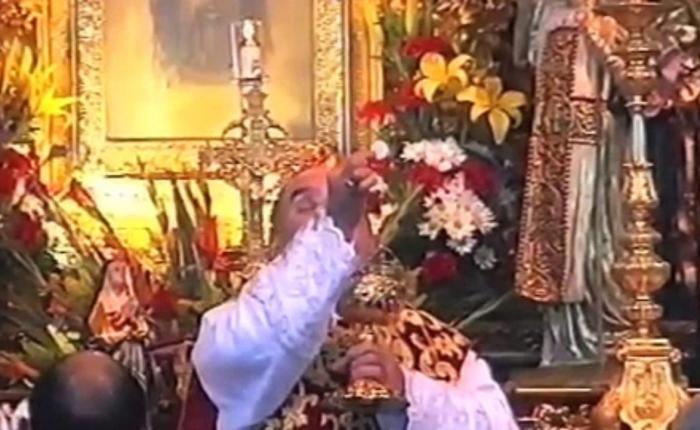
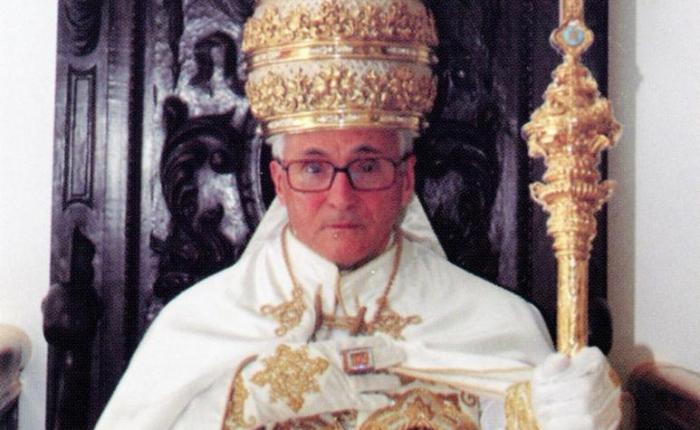
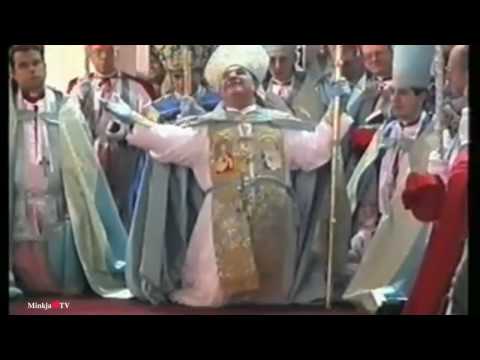
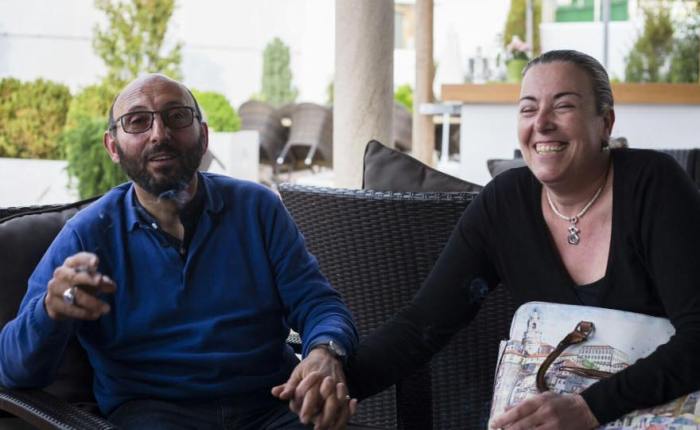
Since news about the 22 of April escape of Pope Gregory XVII from Palmar de Troya was made public by me and others, there have been many articles about the matter in the Spanish press. The combination of a hermetically closed religious group and a pope leaving to live with his girlfriend, claiming that he does not believe in the church teachings anymore is of course thrilling to many, including me.
Below you will find links to some articles from late April and early May that are quite interesting and not too speculative, including several interviews with the ex-pope, who now wants to “turn the page”and leave everything behind him, presenting the Palmarian church as a “set up” (montaje). One month after the departure of Gregory XVII, several Spanish TV channels have broadcast longer documentaries about the history of the Palmarians and the current events.
Early news on the escape of Pope Gregory XVII, ABC Sevilla 25 April 2016: El «papa» de El Palmar de Troya pierde su fe y deja su «orden» sin despedirse de sus seguidores
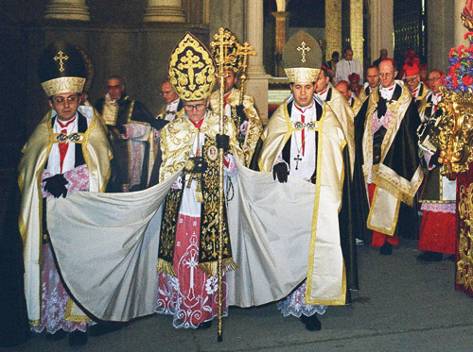
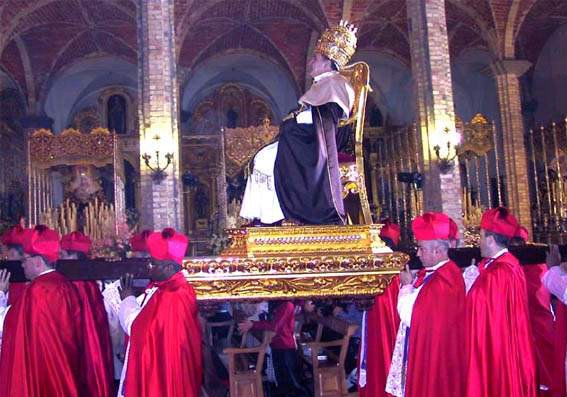
A history of the Palmarian history and the recent events, including the coronation of the new pope, Peter III, ABC Sevilla 26 April: Los cuatro «papas» del Palmar de Troya
Continue reading “Media Coverage of the Changes in the Palmarian Church”
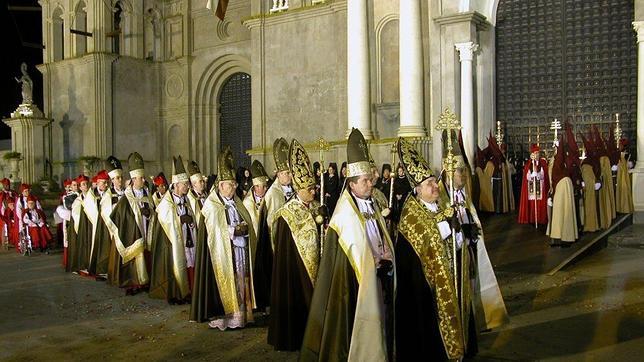
Here is a list of important events in the history of the Palmarian movement that became the Palmarian Catholic Church.
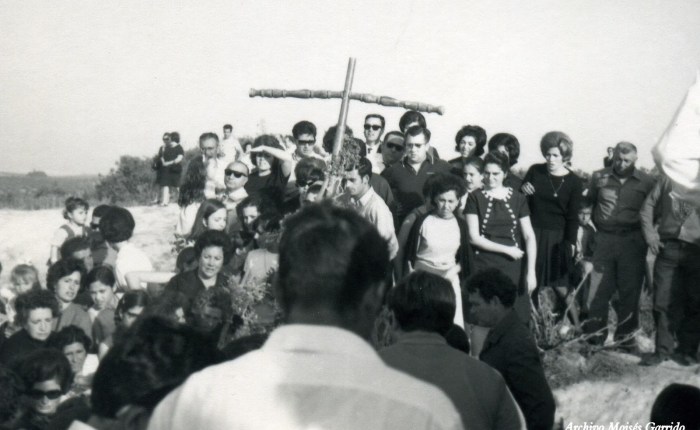
1968 (March 30): Four girls reported having seen a ”very beautiful lady” at the Alcaparrosa field, just outside Palmar de Troya, a town in Spanish Andalusia. The apparition took place by a mastic tree (lentisco), and the woman was identified as the Virgin Mary.
1968 (April onwards): Several other people, most of them women, claimed to have received apparitions at the site. The stories attracted large groups of people from the region, other parts of Spain, and from abroad.
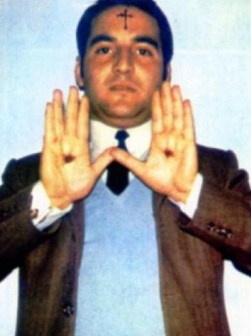
1968 (October 15): Clemente Domínguez Gómez and his friend Manuel Alonso Corral from Seville visited Palmar de Troya for the first time.
1969 (July onwards) Clemente and Manuel began to travel frequently to Palmar de Troya.
1969 (August 15): Clemente fell in ecstasy by the mastic tree.
1969 (September 30): Clemente had his first vision (of Christ and Padre Pio).
1969 (December 15): Clemente had his first vision of the Virgin Mary.
Continue reading “Outline of the History of the Palmarian Movement/Church 1968-2016”

