Recensioner i Kyrkohistorisk Årsskrift 2014-2016

Recensioner i Kyrkohistorisk Årsskrift 2014-2016

Under det senaste decenniet har jag skrivit en lång rad bokrecensioner i Kyrkohistorisk årsskrift. De flesta av dem handlar om latinamerikansk kyrkohistoria, men några rör Asien och Oceanien. KÅ, som ges ut av Svenska kyrkohistoriska föreningen, är nu inne på sin 116:e årgång, och dess recensionsavdelning har länge varit ett måste för den som vill hålla sig uppdaterad om kyrkohistorisk forskning. På föreningens hemsida är de senaste årens skrifter tillgängliga i fulltext. Där finns också information om hur man blir medlem. Här kan du läsa de elva recensioner jag publicerade i KÅ mellan 2014 och 2016:

Celia Cussen, Black Saint of the Americas: The Life and the Afterlife of Martín de Porres, Kyrkohistorisk årsskrift 116 (2016). PDF

Continue reading “Recensioner i Kyrkohistorisk Årsskrift 2014-2016”

Modern Alternative Popes 24: Argentinean Pedro Segundo

Modern Alternative Popes 24: Argentinean Pedro Segundo

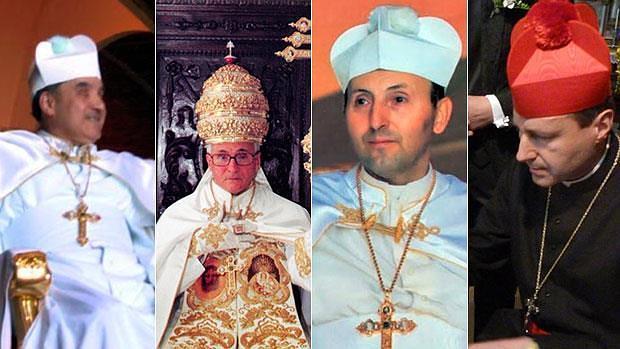
Segundo Ubaldo Rolón (Pedro Segundo, 2007-2016). In some respects, this Argentinean papal claimant is a rather typical representative for the mystically elected alternative popes. Marian apparitions played an important role for his claim as well as the assertion that humanity lives in the End Time. He had a clear focus on the events described in the Book of Revelation and their application to the present era. Still, the symbiosis between religion and politics–in this case, a form of “Transcendent Peronism”–makes it quite unique.

Continue reading “Modern Alternative Popes 24: Argentinean Pedro Segundo”

Modern Alternative Popes 23: Colombian Pedro II

Modern Alternative Popes 23: Colombian Pedro II

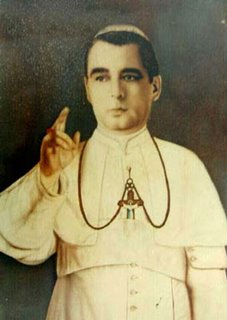
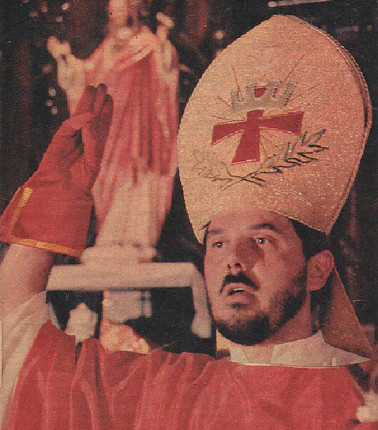
Antonio José Hurtado (Pedro II, 1939-1955) was a Colombian, self-trained dentist. After the death of Pope Pius XI in 1939, he proclaimed himself Pope Peter II, stating that he was elected by God. Hurtado’s claim to the papacy only ended with his death in 1955. Thus, his papal claim had nothing to do with the reforms in the Roman Catholic Church in the 1960s. The following text is not built on a detailed study of primary sources but mostly relies on secondary material, including some fine articles about this intriguing man (see list of references).

The future pope was born in 1892 in the small town of Barbosa, some 40 kilometres north of Medellín. As a young man, he studied at the Thomas Aquinas Seminary in Santa Rosa de Osos but left when his father died. Hurtado seems to have had great entrepreneurial skills and he was a quick learner. He moved to Bogotá, where he worked in many different areas without having formal training in any of them. Among other things, he became a carpenter, a tailor, a goldsmith and an ambulating photographer.

Continue reading “Modern Alternative Popes 23: Colombian Pedro II”

Recent Documents by Palmarian Pope Peter III, November 2016-January 2017

Recent Documents by Palmarian Pope Peter III, November 2016-January 2017

There is a Facebook group that I have referred to several times, and which is devoted to critical studies on the Palmarian Church. It provides a forum for ex-Palmarians, others who have been affected by the church as well as outsiders, like myself, who have an interest in this group. Particularly during 2016, when pope Gregory XVIII left the church, the Facebook group  developed into the most important source of information to all things Palmarians, publishing news, images and documents.

Now, they have published another recent document written by Pope Peter III. It’s his fourth Apostolic Letter, dated on December 8, 2016. The letter-here in its English version-contains six pages of information about the histories of three devotions that are important to Palmarians (as well as to many Roman Catholics): The Infant Jesus of Prague, Our Many of Perpetual Succour and Mary Auxiliatrix. Nevertheless, the first two pages of the apostolic letter includes the Palmarian pope’s description of the current situation of the church, the ex-pope and not least diatribes against ex-Palmarians and Palmarians who have contact with such people, providing them with information.

Peter III Apostolic Letter, December 2016

In November 2016, the Facebook group also published a brief papal report about the ceremonies at the Cathedral-Basilica of Our Lady of Palmar on October 12 and 13, 2016. This document is also found here:

Continue reading “Recent Documents by Palmarian Pope Peter III, November 2016-January 2017”

Högt ovanför klausuren: Spansk-amerikanska kontemplativa kvinnors andliga flygfärder

Högt ovanför klausuren: Spansk-amerikanska kontemplativa kvinnors andliga flygfärder

Min artikel “Högt ovanför klausuren: Spansk-amerikanska kontemplativa kvinnors andliga flygfärder” publicerades i Kyrkohistorisk årsskrift 116 (2016) och finns tillgänglig i fulltext nedan.

Artikeln behandlar förhållandet mellan apostoliskt och kontemplativt religiöst liv i kolonialtidens spanska Amerika. Huvuduppgiften är att analysera berättelser om kontemplativa kvinnors, i synnerhet nunnors, roll för andra människors frälsning.

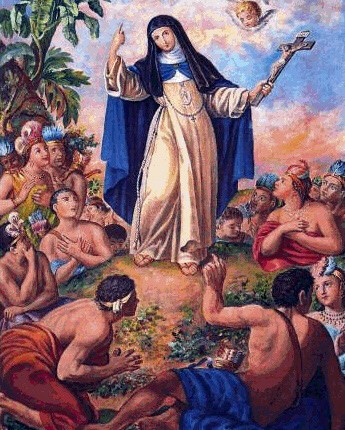
Mer konkret är det en studie av en kontemplativ missionsstrategi: andliga flygfärder till missionsfälten. En mindre grupp spansk-amerikanska kvinnor menade att de på ett mystikt sätt hade rest till avlägsna områden. Där hade de kunnat göra observationer av missionsarbete, men många av dem hävdade dessutom att de bedrivit ett arbete som liknade de manliga missionärernas, till exempel genom att undervisa, predika och döpa. På detta sätt menade de att de rört sig långt bortom det mycket avgränsade fysiska rum som tilldelades kvinnor.

Artikel i fulltext

New video from the cathedral in Palmar de Troya

New video from the cathedral in Palmar de Troya

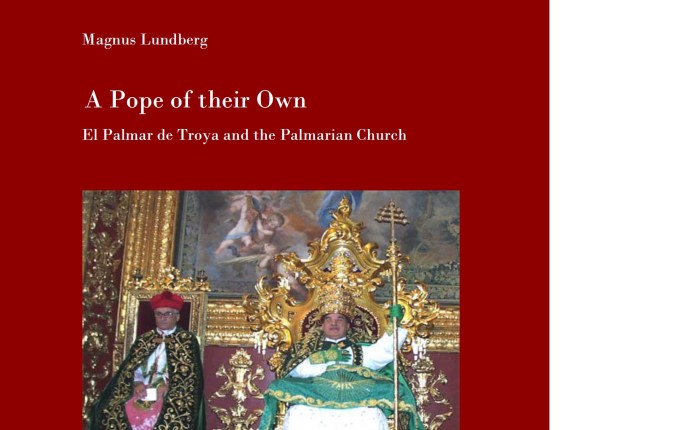
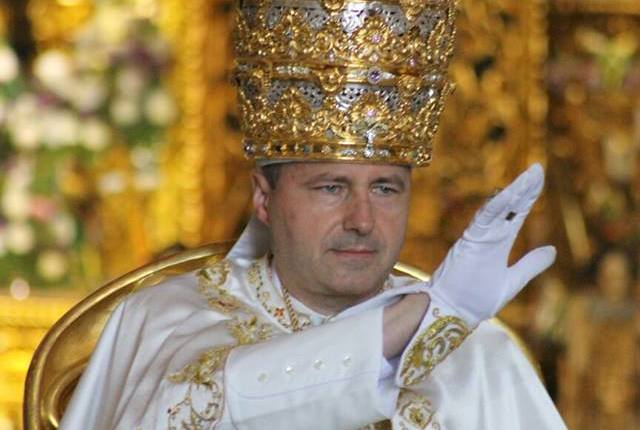
This is a link to a very unusual video. It is filmed in the cathedral-basilica of Palmar de Troya in Andalusia, in mid-July 2016 at the official crowning of pope Peter III, who has acted as pope since late April, when his predecessor Gregory XVIII left.

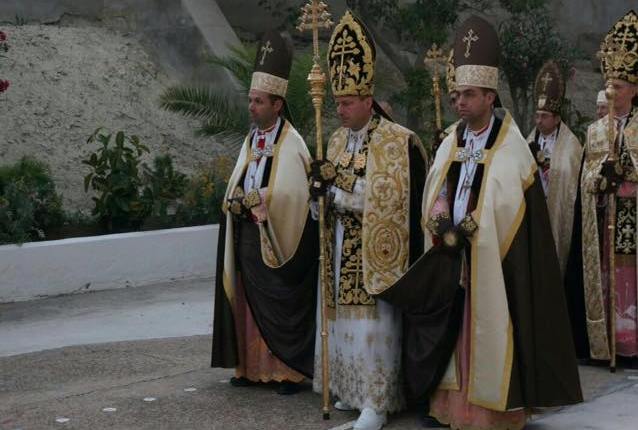
I have never seen a longer video from within the cathedral. It shows a finished church with lots of golden and silvery paraphernalia, and plenty of Palmarian clergy in full ornate. More than twenty bishops are present and behind a screen it is possible to see about the same number of nuns.

The faithful who fill the church include a large number of children, women wearing mantilla and men wearing dark brown shirts and trousers. Footage include the papal crowning, the celebration of the mass, according to the Palmarian rite, the handing out of the communion and different processions inside and outside the cathedral.

Video from the Palmarian cathedral July 2016

Media Coverage of the Palmarian Church, April-September 2016

Media Coverage of the Palmarian Church, April-September 2016

Since news about the 22 of April escape of Pope Gregory XVIII from Palmar de Troya was made public by me and others, there have been many articles about the matter in the Spanish press. The combination of a hermetically closed religious group and a pope leaving  to live with his girlfriend, claiming that he does not believe in the church teachings anymore is of course thrilling to many, including me.

Below you will find links to a selection of articles published from late April onwards. Many are quite interesting and not too speculative, including several interviews with the ex-pope, who now wants to “turn the page”and leave everything behind him, presenting the Palmarian church as a “scam” (montaje).

By May 2016, one month after the departure of ex-pope Gregory from Palmar de Troya, several Spanish TV channels have broadcast longer documentaries about the history of the Palmarians and the current events.

Continue reading “Media Coverage of the Palmarian Church, April-September 2016”

Podcast Iglesia Palmariana 1

Podcast Iglesia Palmariana 1

Descripción de El Palmar de Troya: La historia del nacimiento de una Iglesia.